


Market Insights
Seasonal Price Drivers in Indian Chilli Trade
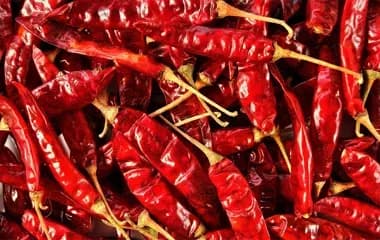
Indian dry red chilli prices do not move on one factor alone. Farm-gate and export quotes respond to a mix of crop size, harvest timing, domestic consumption, overseas demand, and sudden quality shocks. For importers and processors, reading these seasonal drivers early helps decide when to lock volume, when to wait, and when a premium grade is worth the extra cost.
Crop Size and Carry Stock
The starting point of every season is how much chilli was planted and how much actually made it to the market. A larger crop usually softens prices as fresh arrivals build; a short crop, delayed sowing, or lower yields can lift prices even before peak harvest. Carry stock from the previous season also matters — when warehouses still hold usable inventory, new-crop upside is often capped. When stocks are thin heading into harvest, buyers compete earlier and prices firm faster.
Harvest Arrivals and the Calendar Window
Most Indian chilli is a kharif crop, with dried material typically becoming available in volume between January and April, depending on region and weather. Prices often ease as cleaned and graded lots hit the market in force, then stabilize once arrivals normalize. Late rains, disrupted drying, or delayed picking can push the availability window later — and that delay alone can keep quotes firm even if final production ends up average.
- Pre-harvest / early arrivals — thin supply, higher sensitivity to weather news.
- Peak arrivals — more choice on variety and grade; better chance to negotiate volume.
- Post-peak / lean months — greater reliance on stored stock; quality and moisture become sharper filters.
Domestic Demand vs Exportable Surplus
India is both a major producer and a major consumer of chilli. Strong domestic demand from spice grinders, food service, and retail packs can absorb a large share of the crop and leave less surplus for export. When local offtake is aggressive, export buyers often face tighter availability on preferred varieties (especially Teja and high-color lots) and need to confirm packing schedules earlier. Softer domestic demand usually frees up more exportable quantity and can cool FOB ideas.
Export Demand and Destination Mix
Overseas demand does not move evenly. Orders for high-heat Teja, medium Sannam-type chilli, and color-led Byadagi can strengthen or soften independently, depending on destination preferences. Restocking cycles in key importing markets, currency moves, freight costs, and competing origin offers all feed into how aggressively Indian exporters quote. A surge in inquiry for one variety can lift that segment without immediately pulling the whole market up.
Weather, Drying Conditions, and Quality Premiums
Quality shocks are a frequent short-term price driver. Unseasonal rain during harvest and drying can hurt color retention, raise moisture risk, and reduce the share of exportable premium grades. Pest or disease pressure can shrink pod size and usable yield. In those seasons, clean, bright lots with good ASTA or SHU performance trade at a clearer premium over average material — even if headline production looks adequate on paper.
- Color and pungency retention — buyers pay more for lots that hold ASTA / SHU targets after cleaning.
- Moisture and mold risk — poor drying reduces the pool of shippable grades.
- Labor and input costs — picking and sun-drying remain labor-intensive, so cost inflation supports farm-gate floors.
How Buyers Can Use These Signals
A practical buying plan starts with the variety and specification first (SHU, ASTA, stem/stemless, powder or whole), then layers in season timing. If your need is flexible on month of shipment, peak-arrival windows often offer better choice. If your need is fixed and quality-critical, book earlier and leave room for a premium on clean lots. AgroHaat tracks crop progress across major belts and can align availability with your packing calendar — share your target variety and shipment window for current-season guidance.
For regional production context, see our Indian chilli crop growing regions guide; for variety-level specs, see the Indian red chilli varieties export guide.
Planning Chilli Purchases for This Season?
Tell us your variety, SHU/ASTA target, and preferred shipment window — we will share availability and pricing guidance.
Get in Touch