


Sourcing Guide
India vs Other Origins for Dry Red Chilli
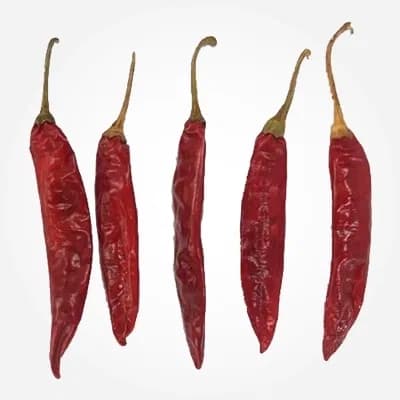
Dry red chilli is traded from several producing countries, but origins are not interchangeable. Buyers choose based on heat (SHU), color (ASTA), available volume, processing formats, and landed cost. India sits at the center of that trade for a reason: it offers a wide variety ladder, large exportable volumes, and established cleaning and sterilization capacity. This guide explains where Indian chilli typically wins — and when another origin may still fit a niche brief.
Why India Is a Primary Origin for Many Buyers
- Variety depth — from low-heat, high-color Byadagi to high-heat Teja and balanced Sannam / 341-type lots.
- Scale — consistent commercial volumes for whole pods, stemless, flakes, and powder programs.
- Specification culture — buyers can brief SHU and ASTA targets and shortlist varieties accordingly.
- Processing options — cleaning, grading, steam sterilization, and multiple packing formats for export.
That combination matters most for manufacturers who need repeatable specs season after season, not only a one-off lot. Indian supply chains in Andhra Pradesh, Karnataka, Telangana and other belts are built around export grading, which shortens the path from crop to shippable cargo.
Heat: Where Indian High-Pungency Lots Stand Out
For applications driven by heat — hot sauces, spicy seasonings, high-capsaicin blends — Indian Teja-type chilli is often a first shortlist. Commercial Teja lots commonly sit in a high SHU band that many buyers struggle to match consistently from smaller origins. Medium-heat Indian varieties (Sannam-type and 341-type) also give formulators room to build heat without jumping straight to the top of the scale.
Color: Byadagi and Color-Led Applications
Not every buyer wants heat. Oleoresin extractors and color-focused food applications often prioritize ASTA over SHU. Indian Byadagi is widely known for deep red color with comparatively low pungency — a profile that makes India competitive for color yield, not just for spicy end uses. Buyers comparing origins should ask for both numbers: color without heat context, or heat without color context, leads to the wrong shortlist.
Volume, Continuity, and Program Buying
Even when another origin can match a single sample, the harder test is continuity: can the supplier ship the same grade across containers and months? India’s production base and multi-region crop calendar support program buying better than origins with thinner surplus. That reliability is especially valuable for private-label packs, industrial powder lines, and contract manufacturing where reformulation is expensive.
Price Competitiveness vs Landed Cost
FOB price alone rarely decides the winner. Freight, lead time, rejection risk, and rework cost all matter. Indian chilli often competes well when buyers need a defined SHU/ASTA band at commercial volume. A cheaper offer from another origin can lose value if moisture, broken percentage, foreign matter, or microbiology force downgrades or delayed shipments. Spec clarity and pre-shipment QC usually protect landed cost better than chasing the lowest headline quote.
When Another Origin May Still Fit
- A destination preference or regulatory pathway that already favors a specific origin.
- A niche local variety with culinary branding value that Indian lots are not meant to replace.
- Very small trial volumes where logistics from India are not yet efficient.
Even in those cases, many buyers still dual-source: keep a preferred specialty origin for branding, and use Indian chilli for volume heat, color, or powder programs. The decision should follow the end application, not habit.
A Simple Decision Framework
- Need high heat at scale → shortlist Indian Teja-type supply.
- Need color with low heat → shortlist Byadagi / color-led Indian lots.
- Need balanced all-purpose powder or flakes → shortlist Sannam / 341-type profiles.
- Need continuity + sterilization + multiple formats → India is usually the stronger program origin.
AgroHaat supplies Indian dry red chilli across major commercial varieties with export packing and steam-sterilization options. Share your target SHU, ASTA, format, and destination requirements and we will map the closest Indian match from current availability.
Comparing Origins for Your Next Chilli Order?
Send your target SHU, ASTA, and format — we will recommend the strongest Indian variety match for your application.
Get in Touch