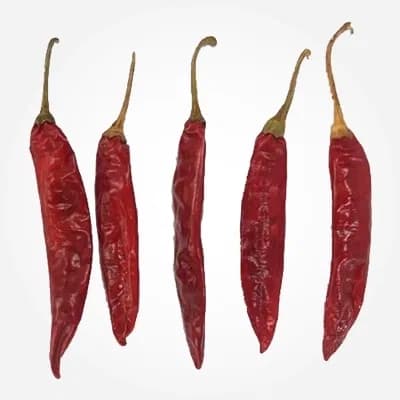



Crop Insights
Indian Chilli Crop: Growing Regions, Harvest Season & Export Outlook
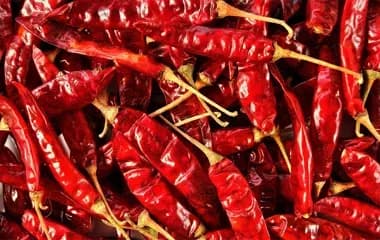
India is one of the world’s largest producers and exporters of dried red chilli, supplying importers, food manufacturers, and oleoresin processors across the globe. For buyers planning purchases, understanding where and when chilli is grown — and what moves quality and price — makes sourcing far more predictable.
Where India’s Chilli Is Grown
Chilli cultivation in India is concentrated in a handful of well-established growing belts, each associated with distinct varieties and quality characteristics:
- Andhra Pradesh (Guntur, Khammam) — the country’s largest chilli-producing region, known for high-pungency and high-color varieties including Teja and 341-type chillies.
- Karnataka (Byadagi, Ranebennur) — home to Byadagi chilli, prized for its deep red color and low pungency, widely used for oleoresin extraction and color-focused applications.
- Telangana (Warangal) — a significant contributor to overall volume, growing a mix of medium-pungency varieties.
- Madhya Pradesh, Rajasthan, and Tamil Nadu — additional growing regions supplying both domestic and export markets.
Harvest Season and Availability
Chilli in India is predominantly grown as a winter (rabi) crop in most regions, sown after the monsoon and harvested between January and April, though timing varies by region and irrigation availability. Fresh crop arrivals typically build through this window, with cleaned, dried, and sorted material available for export shortly after. Buyers working to a fixed procurement calendar generally align contracts with this harvest cycle to secure current-season quality at the best price.
What Drives Quality and Price Each Season
- Weather during flowering and drying — unseasonal rain during harvest can affect color retention and increase moisture content, impacting ASTA color values.
- Pest and disease pressure — thrips and viral pressure in a given season can affect pod size and yield, tightening supply of premium grades.
- Labor and input costs — picking and sun-drying remain largely manual, so seasonal labor availability influences farm-gate prices.
- Domestic demand — India is also the largest consumer of its own chilli production, so strong domestic demand in a given year can tighten exportable surplus.
Sourcing Considerations for Export Buyers
Because pungency (measured in SHU) and color (measured in ASTA) vary significantly by variety — not just by region — the right sourcing decision usually starts with matching a variety’s specification sheet to the end application, whether that is whole-pod retail packing, oleoresin extraction, or chilli powder blending. AgroHaat works across the major growing belts and maintains steam-sterilization capacity for export-ready supply regardless of which variety best fits your requirement.
For a closer look at specific varieties and their pungency and color profiles, see our companion guide on Indian red chilli varieties for export.
Looking to Source Chilli for the Current Season?
Share your specification — variety, pungency range, or ASTA color target — and our team will get back with availability and pricing.
Get in Touch